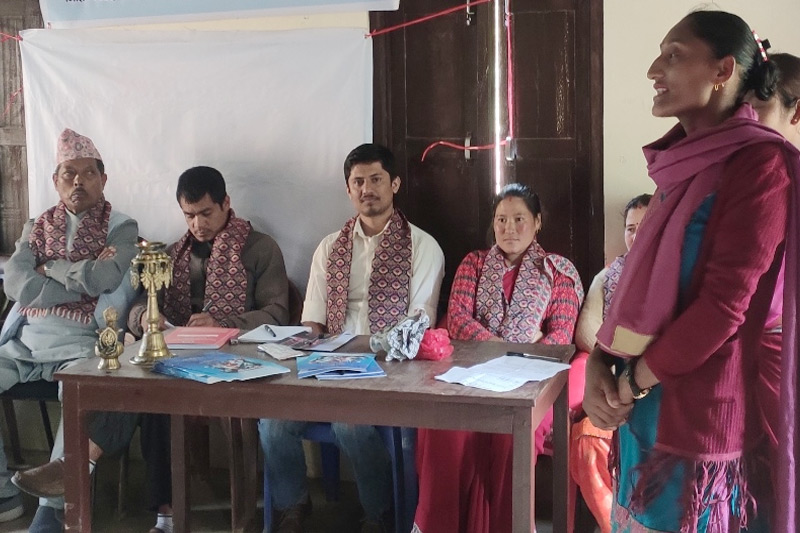
Nepal has set an ambitious target to expand clean energy generation and increase its use while reducing dependence on firewood and fossil fuels. However, progress remains slow, partly due to centralized management and insufficient emphasis on energy transition in current policies. Nepal’s energy policies need reform to align with federal administrative structures and global climate commitments. Following the 2021 floods in the Melamchi area, which caused severe damage to agricultural land, fisheries, cultural assets, and traditional practices, the Majhi community continues to face challenges such as unstable livelihoods, lack of irrigation, dependence on firewood, expensive LPG use, and unreliable electricity supply. As male members often migrate for employment, women spend more time on household chores and firewood collection. Schools, health facilities, and public offices also face service disruptions due to unreliable electricity supply. Modern technologies such as electric cooking stoves and appliances remain limited due to a lack of awareness and high initial costs. Overall, limited knowledge, inadequate support for climate-resilient livelihoods, and low local capacity hinder the community’s transition to clean energy and resilience building. This project aims to bring together local governments, community members, civil society, and national energy stakeholders to strengthen policies, improve access to clean energy technologies, and support a just and sustainable energy transition for the Majhi community and Melamchi.
Objectives: